






Family Therapy

Understand familial bonds & develop supportive interpersonal dynamics.

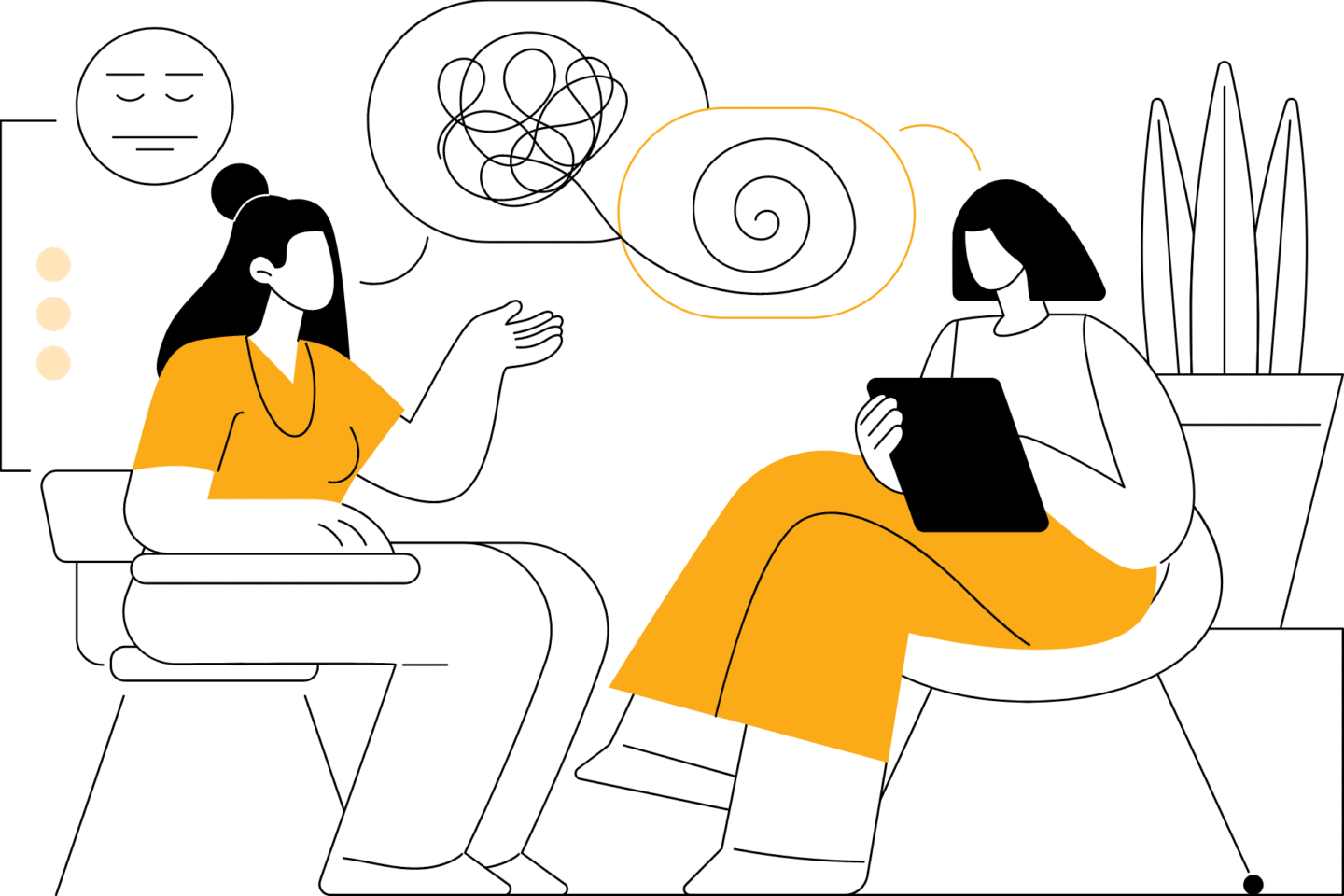
Ready to resolve family conflict? Sometimes the best medicine is simply talking things out. Family therapy provides a structured environment for families to improve communication, build empathy, and strengthen their relationships.

How It Works:

At BCSC, we understand that families often struggle with communication, but sometimes, things can be a bit too complex to solve on your own.

Family therapy is multifaceted. Caregivers and children of all ages can benefit from improved communication and understanding — while siblings can learn to navigate conflict more constructively. Blended families and multigenerational households can also address challenges of adjustment and establishing healthy boundaries. And families coping with grief, loss, or a mental health condition can find support and develop coping mechanisms together.

Treatable Conditions:
  • Communication problems
  • Parenting/caregiving challenges
  • Grief & loss
  • Life transitions
  • Behavioral issues in children & teens

Strategic Solutions + Patient-Centric Care

Our approach utilizes research-backed treatment so you or your child get better results, with less chance of reoccurrence. Plus, by monitoring treatments as they progress, we’re better equipped to avoid roadblocks and troubleshoot immediately should challenges arise.

Evidence-Based Assessments
Personalized Treatments
Compassionate Care
Patient-Centered Outcome Tracking

Ready to Rebuild Your Family Unit?

  • Break communication barriers
  • Rebuild bonds
  • Grow stronger as a family

Frequently Asked Questions:

What happens in family therapy sessions?

The therapist usually leads a conversation where all family members are encouraged to participate. The therapist may use role-playing, communication exercises, and other methods to help families understand their issues, cope with challenges, deal with conflicts, and create a more supportive environment for all members.

It depends on a family’s unique needs and goals. Some may benefit from just a few sessions. Other families will need longer-term support to see the most benefit.

It’s ideal for everyone to participate, but it’s not unusual for family members to be reluctant. Your therapist can still work with those family members who are willing to participate. Reluctant family members may change their mind and choose to participate as they see and experience the benefits of therapy.

Yes, therapists are legally bound to protect your privacy by the Health Insurance Portability and Accountability Act (HIPAA). There are a few exceptions in extreme circumstances, such as imminent risk of harm to yourself or others. Otherwise, everything said in a family therapy session is confidential.

Check Out Our Blog

Talking To Young Children About Covid-19

After being in lockdown for 30+ days, the idea of talking to young children about Covid-19 again may feel asinine. I have had high-level family discussions about the non-stop media coverage and homeschool becoming the norm… But seeing the concern in my child’s eyes for me simply going to the mailbox made me realize that I need to check in and communicate frequently on our new world and on his level.

Read More »

Have questions or want more information about any of our services?

We're here to help.