



When you’re parenting a child with autism spectrum disorder (ASD) or other related developmental delays, the most essential action you can take is to begin treatment early.
How It Works:
At BCSC, we understand that every child on the Autism Spectrum is unique. That’s why our Autism Spectrum Disorder (ASD) assessment and treatment are both led by a Board Certified Behavior Analyst (BCBA).
Disruptive behaviors (e.g., hitting, swiping, noncompliance, etc.) will be analyzed through various measures, observations, and interviews. The results will be used to identify the maintaining variable or function of these behaviors.
Your BCBA will be your child’s champion. They’ll begin by conducting a comprehensive behavioral and developmental assessment. This personalized approach ensures we target the areas where your child can improve and build upon current strengths. Thereafter, the information compiled will be presented to parents and caregivers in an effort to support the entire family system.
Modalities We Use:
- Communication & language
- Social skills
- Self-care
- Play & leisure
- Motor skills
Strategic Solutions + Patient-Centric Care
Our approach utilizes research-backed treatment so you or your child get better results, with less chance of reoccurrence. Plus, by monitoring treatments as they progress, we’re better equipped to avoid roadblocks and troubleshoot immediately should challenges arise.
Evidence-Based Assessments
Personalized Treatments
Compassionate Care
Patient-Centered Outcome Tracking
How Can Autism Guidance Help?
- Developing an individualized intervention plan
- Reducing disruptive behaviors
- Improving communication and social skills
Frequently Asked Questions:
What kind of guidance does BCSC provide?
We provide education, strategies, techniques and therapeutic support to help you improve your child’s social and communication skills, reduce the frequency and intensity of meltdowns, advocate for your child’s needs, and maintain your own self-care.
Is autism curable?
No cure exists for autism spectrum disorder. Because each child is unique, treatment and development strategies need to be tailored to each individual and situation, and there is no one-size-fits-all treatment. With proper guidance you can maximize your child’s ability to function and reduce symptoms.
How will ASD guidance help?
ASD guidance will help you improve communication and understanding, create positive behavior reinforcement systems, and improve social/emotional development.
Do you provide guidance on how parents can take care of themselves?
Yes. Raising a child with ASD is an ongoing process, and can cause emotional strain for parents. Taking care of yourself allows you to better care for your child. We offer guidance on self-care strategies like stress management and finding support for yourself.
Check Out Our Blog

Why Follow-Through Feels Hard: Executive Function & Anxiety
If you’ve ever thought “I know exactly what I’m supposed to do… so why can’t I just do it?” — you’re not alone. This question comes up constantly in therapy, coaching, classrooms, and workplaces. People often assume the answer must be laziness, lack of motivation, or poor discipline. In

What Actually Happens in a Neuropsychological Evaluation?
Neuropsychological evaluations are often talked about, but rarely explained clearly. Many people imagine something intimidating, overwhelming, or only for extreme cases. In reality, a neuropsychological evaluation is a structured, collaborative way of understanding how a person’s brain processes information, and how that shows up in daily life. Here’s what actually
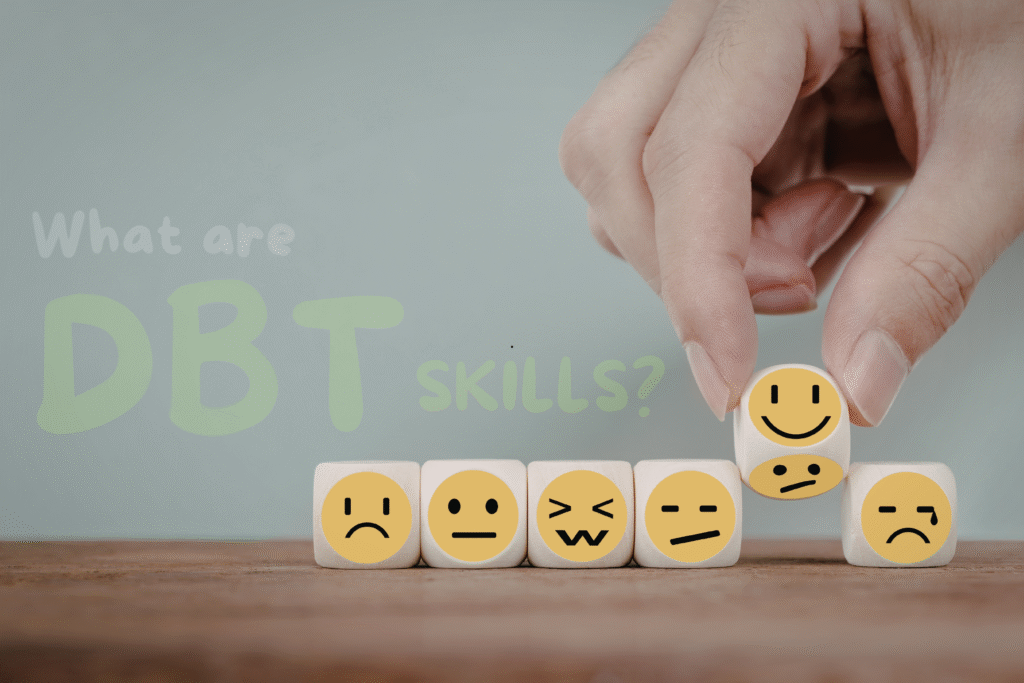
An Introduction to DBT Skills: Building Tools for Real Life
Life can be intense. Emotions run high, relationships feel complicated, and stress can quickly overwhelm our ability to cope. Dialectical Behavior Therapy (DBT) was developed to help people navigate these moments with greater skill, flexibility, and self-compassion. Rather than focusing solely on reducing distress, DBT emphasizes building practical skills that