


Ketamine Assisted Psychotherapy
Ketamine Assisted Psychotherapy (KAP) combines evidence-based psychotherapy with the medication ketamine to treat a range of treatment-resistant problems.
Are you feeling “stuck” in therapy, or that you’ve tried everything and something is still missing? If so, KAP may be an option to gain new perspectives, increase cognitive flexibility, and explore emotions in new and vulnerable ways.
How It Works:
KAP utilizes ketamine to support and advance ongoing psychotherapy, especially for individuals who may feel “stuck” or that they have “plateaued” in their previous course of psychotherapy. KAP can be highly efficacious for a range of treatment-resistant problems, including depression, trauma, anxiety, OCD, substance use, chronic pain, and significant cognitive rigidity. In addition, KAP can provide relief when other treatments have been unsuccessful, and may serve as an ideal alternative to more intensive treatments such as electroconvulsive therapy (ECT), transcranial magnetic stimulation (TMS), or deep brain stimulation (DBS).
At BCSC, our KAP program is unique in that we combine the medication of ketamine with gold standard, evidence-based interventions like Acceptance and Commitment Therapy (ACT) and Dialectical Behavioral Therapy (DBT). Our KAP program involves five distinct phases: (1) intake/assessment, (2) preparation, (3) dosing, (4) integration, and (5) ongoing psychotherapy. We work collaboratively with our clients to develop specific goals and intentions in preparation for dosing sessions, and provide ongoing support to facilitate the integration process.
Program Includes:
- Initial consultation meeting (typically free of charge)
- Comprehensive Intake Assessment
- Guided Preparation work w/KAP team and outpatient therapist(s)
- 3-hour in-person dosing session
- Virtual integration session within 1 – 7 days of dosing session
- 24-hour telephone support during week after dosing session
- Treatment and collaboration w/double board-certified psychiatrist
- Ongoing outpatient psychotherapy and treatment recommendations
Strategic Solutions + Patient-Centric Care
Our approach utilizes research-backed treatment so you or your child get better results, with less chance of reoccurrence. Plus, by monitoring treatments as they progress, we’re better equipped to avoid roadblocks and troubleshoot immediately should challenges arise.
Evidence-Based Assessments
Personalized Treatments
Compassionate Care
Patient-Centered Outcome Tracking
Why Choose Ketamine Assisted Psychotherapy?
- Experience expertly guided ketamine dosing sessions combined with evidence-based psychotherapy
- Receive individually-tailored treatments plans in collaboration with your current outpatient therapy team
- Learn to experience your emotions in new and vulnerable ways
Frequently Asked Questions:
What is Ketamine?
Ketamine is an FDA approved anesthetic that has been used for for more than 60 years in various medical settings for children, adults, and animals. Ketamine has a robust safety track record and is typically tolerated by our bodies well. In more recent years, there has been an increase in research that indicates ketamine may be an effective treatment for various mental health conditions, such as depression, trauma, anxiety, obsessive-compulsive disorder, substance use, and others.
What is Ketamine Assisted Psychotherapy (KAP)?
KAP is a term that describes the use of ketamine together with psychotherapy. We believe that ketamine plus therapy is the most effective form of treatment. Each of our ketamine dosing sessions have a mandatory therapy session that occurs within 24 – 48 hours of the ketamine dosing session. In addition, we recommend that the discussion of ketamine and its effects continue to be an ongoing part of outpatient therapy following ketamine dosing sessions.
What should I expect during KAP?
In our clinic, KAP includes four distinct parts: (1) a comprehensive assessment, (2) ketamine dosing sessions, (3) integration therapy sessions, and (4) incorporating KAP into ongoing psychotherapy.
What are the effects of ketamine, and how long do they last?
Ketamine typically has an impact on our senses, and some people report seeing things like colors or shapes. In addition, ketamine typically induces a dissociative state, where people often feel detached from their usual sense of self. Most people tolerate these experiences without any trouble, and often report these experiences to be pleasant and enjoyable. The effects of ketamine typically last 45 to 90 minutes, but this is largely impacted by the dosing schedule. The levels of dosing used in our clinic do not cause loss of consciousness, so patients remain awake during their ketamine experience.
Are there any negative side effects of ketamine?
Occasionally people experience some nausea after their ketamine treatment. There is over-the-counter anti-nausea medication available, and we stock this medication in our clinic and make it available as needed. In more rare instances, a transient headache may also result from ketamine treatment. Ketamine does typically increase heart rate temporarily, so our medical team will screen for a history of cardiac difficulties and we assess heart rate and blood pressure during our ketamine appointments.
Where is KAP performed?
KAP is currently only performed in person at our office in Natick, MA. It is mandatory for dosing sessions to be done in person, but KAP intakes and integration sessions may be completed virtually if needed.
What disorders can ketamine help treat?
Our clinic relies on science and research to guide treatment decision making. While KAP continues to be experimental, there is a growing body of research that supports KAP for various mental health difficulties. To date, ongoing research has shown that KAP can be effective for treatment-resistant depression, bipolar disorder, post-traumatic stress disorder (PTSD), generalized anxiety disorder (GAD) and other anxiety difficulties, obsessive and compulsive disorder (OCD), substance use and dependency, and difficulties with chronic pain.
Are there specific medical conditions that would prevent me from receiving treatment?
KAP might not be the right fit for every person. We conduct a thorough intake assessment to determine if KAP is an appropriate recommendation. KAP may not be a good fit for individuals with a history of psychosis or who are prone to manic episodes. Individuals with a history of high blood pressure, cardiac, and/or pulmonary issues may need to get medical clearance from their primary care provider before beginning KAP.
What is the minimum age for treatment?
Our clinic currently provides KAP for individuals who are 16 years of age and older.
What is the recommended course of treatment?
Our clinic utilizes a collaborative decision making model when developing KAP treatment plans with our clients, so treatment plans may vary highly from person to person. We typically allow 2 – 4 weeks between ketamine treatments to allow clients to engage with the psychotherapy component of KAP, but in some instances may decrease that time frame.
Should I be concerned about any risks of addiction with KAP?
There is no current evidence that ketamine is physically addictive, and ketamine has been shown to be very safe over decades of research and use in various medical settings. As with any controlled substance, our team continually assesses for concerns related to inappropriate use or abuse as part of our assessment and treatment process.
Are there any medications that can interfere with treatment?
There are a few medications an substances that can impact a person’s response to ketamine, such as benzodiazepines, mood stabilizers, anti-psychotics, amphetamine-based stimulants, cannabis, and nicotine. A thorough review of medications is part of our KAP intake assessment. A major benefit of ketamine is that people are able to continue almost all medications while receiving KAP. There is no need to taper off of any antidepressant, anti-anxiety, or mood stabilizing medications but your psychiatrist might recommend holding a dose or 2 of the medication the day before and/or the day of ketamine administration.
Can I eat/drink before my dosing session?
We ask our clients to fast for 4 hours prior to their ketamine dosing appointment. This includes solid foods, orange or pulp-filled juices, or opaque soups/broths. Clear liquids (i.e., water, clear broths, apple or white grape juice, some teas, etc.) may be enjoyed up until two hours before your treatment.
Do I need to bring someone with me to my dosing appointment?
Yes, all clients need someone to drive them home following their KAP dosing appointment.
I already have a psychiatric medication prescriber, do I need to change prescribers for KAP?
In most instances, our clinic requires working with our internal psychiatry team in order to be eligible for KAP.
How much does treatment cost? Is insurance accepted?
Because KAP for mental health difficulties is still considered new and experimental, most insurance companies do not provide compensation for KAP appointments. Please contact our team for more information on current rates for KAP as well as information on our sliding scale that may reduce fees significantly.
Check Out Our Blog

Why Follow-Through Feels Hard: Executive Function & Anxiety
If you’ve ever thought “I know exactly what I’m supposed to do… so why can’t I just do it?” — you’re not alone. This question comes up constantly in therapy, coaching, classrooms, and workplaces. People often assume the answer must be laziness, lack of motivation, or poor discipline. In

What Actually Happens in a Neuropsychological Evaluation?
Neuropsychological evaluations are often talked about, but rarely explained clearly. Many people imagine something intimidating, overwhelming, or only for extreme cases. In reality, a neuropsychological evaluation is a structured, collaborative way of understanding how a person’s brain processes information, and how that shows up in daily life. Here’s what actually
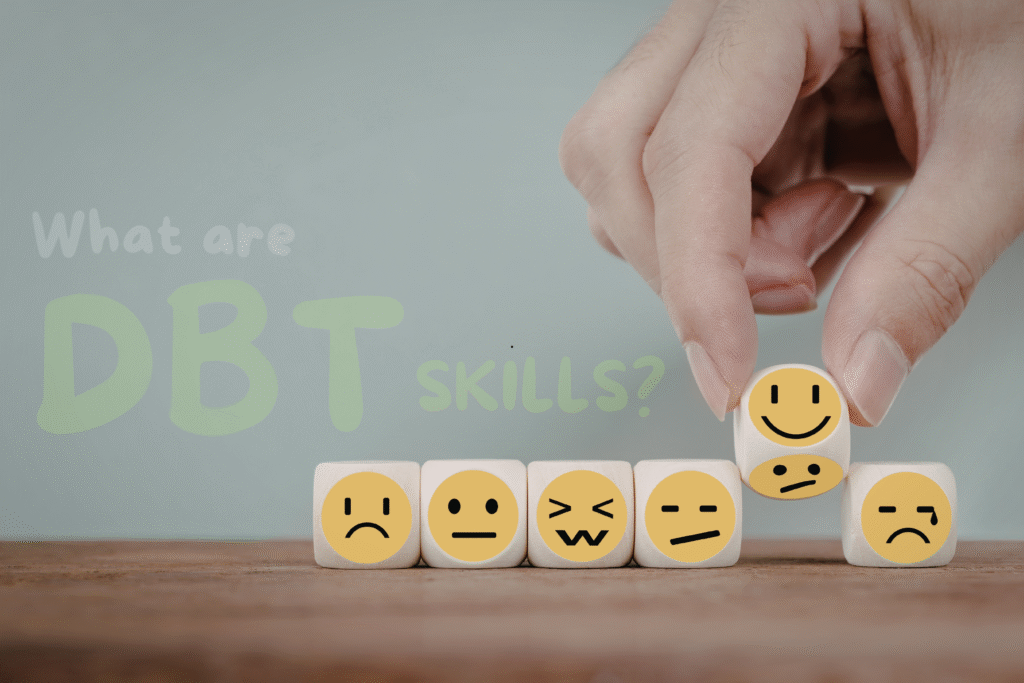
An Introduction to DBT Skills: Building Tools for Real Life
Life can be intense. Emotions run high, relationships feel complicated, and stress can quickly overwhelm our ability to cope. Dialectical Behavior Therapy (DBT) was developed to help people navigate these moments with greater skill, flexibility, and self-compassion. Rather than focusing solely on reducing distress, DBT emphasizes building practical skills that