


Practicum/
Externship Placements

BCSC offers up to four practicum placements per academic calendar year for 16 hours a week of training. Practicums are intended for advanced doctoral students in psychology programs.

Looking for an externship within an expert clinical training facility? BCSC offers multiple practicum placements per academic calendar year for 16 hours or more per week of training.

How It Works:

At BCSC, our practicums are intended for advanced doctoral students in psychology programs. Training opportunities are available in a variety of evidence-based treatments and assessments. There are also opportunities to be involved with research as well as our summer therapeutic programs.

For more information reach out to the Director of Clinical Training, Dr. Beth Jerskey[email protected].

Track Options Include:
  • Acceptance and Commitment Therapy (ACT)
  • Dialectical Behavior Therapy (DBT)
  • Dialectical Behavior Therapy (DBT) Trauma Program
  • DBT Family Therapy
  • Neuropsychological Assessment
  • Parent-Child Interaction Therapy (PCIT)
  • Selective Mutism (SM)
  • Evidence-based treatments for impulse control

Why Choose an Externship at BCSC?

  • Receive expert training in evidenced-based treatments and assessments
  • Learn how to support intakes and co-lead groups

Frequently Asked Questions:

How many externships does BCSC accept?

The total number of externs accepted may change from year to year. We typically accept up to 4 externs for a minimum two-day, 16-hour placement.

Externs who are able to commit 16 hours each week will receive training in one major track only. Externs who can commit 20+ hours will receive training in one major track and have the opportunity to “audit” an additional minor track.

Acceptance and Commitment Therapy (ACT), Dialectical Behavior Therapy (DBT), Neuropsychological Assessment, Parent-Child Interaction Therapy (PCIT), Radically Open Dialectical Behavior Therapy (RO DBT), Selective Mutism (SM), and evidence-based treatments for Tic, Trich, and OCD.

Only third year or higher doctoral students will be considered. Applicants should send a letter of interest that lists their top choice tracks in order of preference. Candidates should also provide a CV and at least one letter of reference. Send all materials to our Director of Clinical Training, Dr. Beth Jerskey[email protected].

Check Out Our Blog

Why Follow-Through Feels Hard: Executive Function & Anxiety

  If you’ve ever thought “I know exactly what I’m supposed to do… so why can’t I just do it?” — you’re not alone. This question comes up constantly in therapy, coaching, classrooms, and workplaces. People often assume the answer must be laziness, lack of motivation, or poor discipline. In

Read More »

What Actually Happens in a Neuropsychological Evaluation?

Neuropsychological evaluations are often talked about, but rarely explained clearly. Many people imagine something intimidating, overwhelming, or only for extreme cases. In reality, a neuropsychological evaluation is a structured, collaborative way of understanding how a person’s brain processes information, and how that shows up in daily life. Here’s what actually
Read More »
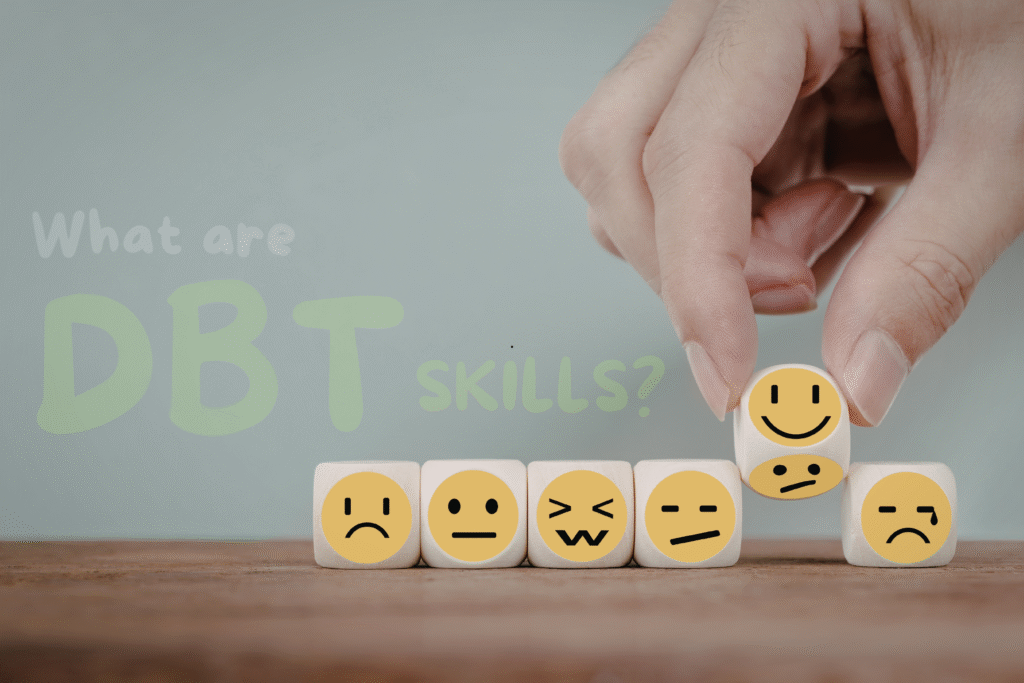
Hand holding small dice with different emotion faces, representing Dialectical Behavior Therapy (DBT) skills, with text reading “What are DBT skills?”

An Introduction to DBT Skills: Building Tools for Real Life

Life can be intense. Emotions run high, relationships feel complicated, and stress can quickly overwhelm our ability to cope. Dialectical Behavior Therapy (DBT) was developed to help people navigate these moments with greater skill, flexibility, and self-compassion. Rather than focusing solely on reducing distress, DBT emphasizes building practical skills that

Read More »

Have questions or want more information about any of our services?

We're here to help.