




Get Started
Call or fill out the form
Get matched with a provider
Receive care tailored for you
Could you or a family member benefit from medication for a mental health condition? We have the experts you have been looking for.
How It Works:
Please know that we prescribe conservatively, following evidence-based guidelines. With your permission, we will use the smallest dose possible, for the shortest time possible. We then track progress objectively to demonstrate definite improvement. By doing it this way, you never have to wonder why we chose a medicine or whether it worked.
Conditions We Treat:
- Attention-Deficit/Hyperactivity Disorder (ADHD)
- Major depressive disorder
- Generalized anxiety disorder
- Panic disorders
- Post-Traumatic Stress Disorder (PTSD)
- Bipolar disorders
Strategic Solutions + Patient-Centric Care
Our approach utilizes research-backed treatment so you or your child get better results, with less chance of reoccurrence. Plus, by monitoring treatments as they progress, we’re better equipped to avoid roadblocks and troubleshoot immediately should challenges arise.
Evidence-Based Assessments
Personalized Treatments
Compassionate Care
Patient-Centered Outcome Tracking
Why Is Medication Management Important?
- Avoid or safely stop unnecessary medications
- Expert guidance on why and how long to use medications
- Optimize treatment when psychotherapy stalls or isn’t enough
Frequently Asked Questions:
What is medication management?
Medication management focuses on how medications affect the brain and behavior. In therapy, it focuses on using medications to assist with treating mental health conditions.
Who determines if medications would help me, and which ones?
A qualified psychiatrist, medical doctors with specialized training in mental health, or mental health nurse practitioners can prescribe these medications. If they determine medication would be helpful, they will discuss the recommended medications with you before prescribing them.
Do these medications have side effects?
Like most medications, psychiatric medications can come with side effects. These side effects can vary depending on the specific medication and individual. Your psychiatry provider will review possible side effects with you during scheduled appointments.
Should I be concerned about interactions with other medications I’m taking?
Yes, and the medication managment specialists at BCSC will work with you to address potential interactions with other medications.
Check Out Our Blog

Why Follow-Through Feels Hard: Executive Function & Anxiety
If you’ve ever thought “I know exactly what I’m supposed to do… so why can’t I just do it?” — you’re not alone. This question comes up constantly in therapy, coaching, classrooms, and workplaces. People often assume the answer must be laziness, lack of motivation, or poor discipline. In

What Actually Happens in a Neuropsychological Evaluation?
Neuropsychological evaluations are often talked about, but rarely explained clearly. Many people imagine something intimidating, overwhelming, or only for extreme cases. In reality, a neuropsychological evaluation is a structured, collaborative way of understanding how a person’s brain processes information, and how that shows up in daily life. Here’s what actually
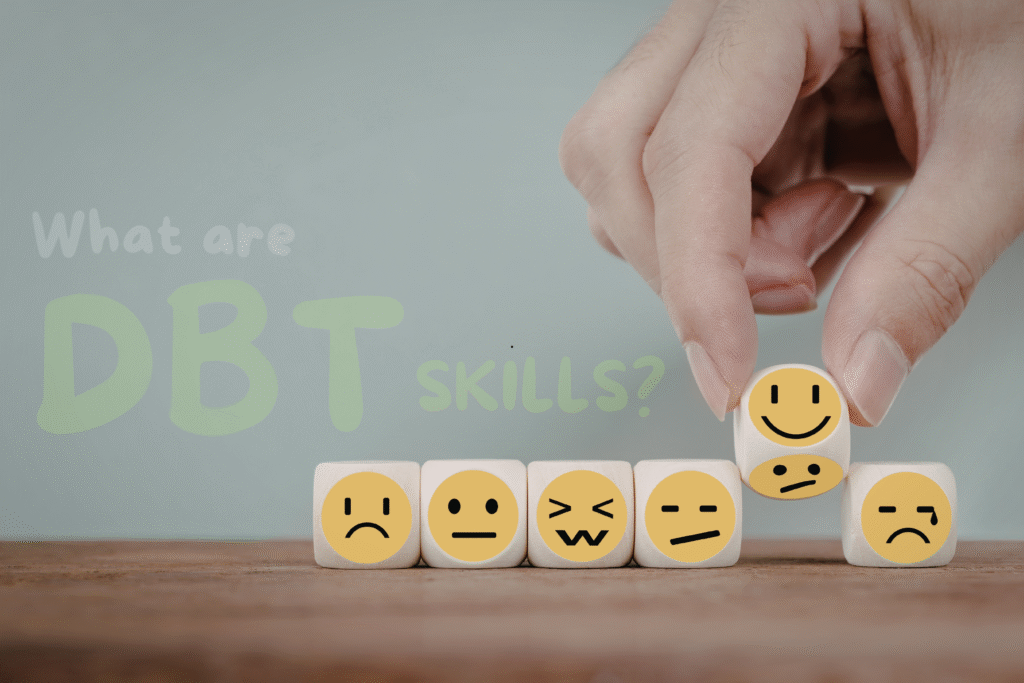
An Introduction to DBT Skills: Building Tools for Real Life
Life can be intense. Emotions run high, relationships feel complicated, and stress can quickly overwhelm our ability to cope. Dialectical Behavior Therapy (DBT) was developed to help people navigate these moments with greater skill, flexibility, and self-compassion. Rather than focusing solely on reducing distress, DBT emphasizes building practical skills that